
Quantum computing is a second kind of computing that relies on the phenomena of quantum mechanics. In the future, it will provide a huge amount of computing power that will make it possible to solve problems that were previously unsolvable in a reasonable amount of time for a classical computer.
Quantum computing in 4 figures
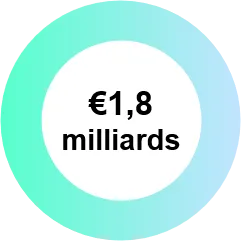
This is the French investment in this technology
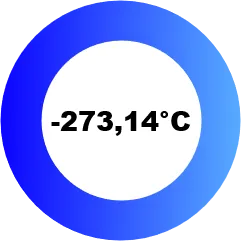
This is the temperature the quantum computer’s processor must be kept at
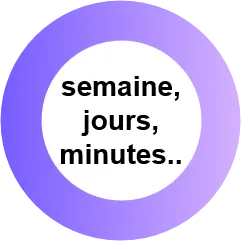
This is the time a quantum computer could take to perform calculations that would take a classical computer thousands, millions or even billions of years
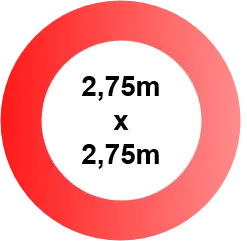
This is the size of an industrial-grade quantum computer, it measures 20m x 20m in the laboratory
How does it work?
Unlike a classical computer, a quantum computer works with qubits rather than bits.
To perform calculations, a classical computer uses what we call bits, the value of a bit depends on the electric current: 1 if there is current, 0 if not.
Qubits are different, there are several types and they don’t all work the same way… in the sense that, unlike bits, we can’t know whether they take the value 0 or 1.
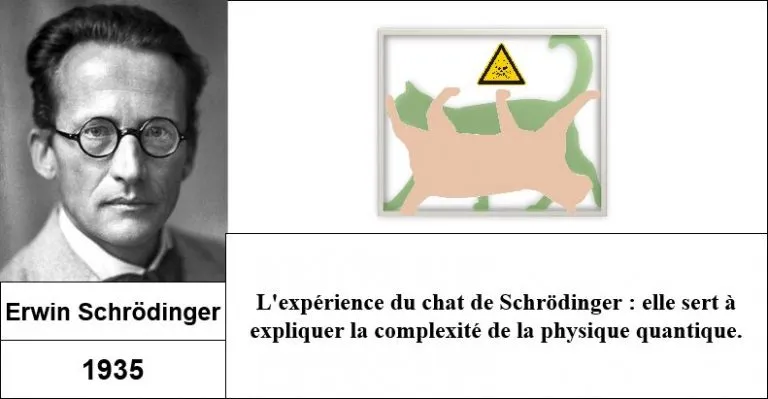
Why, you ask? Do you know Schrödinger’s cat?
It’s an experiment where a cat is put in a box containing poison. The moment the box is closed with the cat inside, the poison has a one in two chance of killing the cat, and we aren’t allowed to check whether the cat is dead or alive.
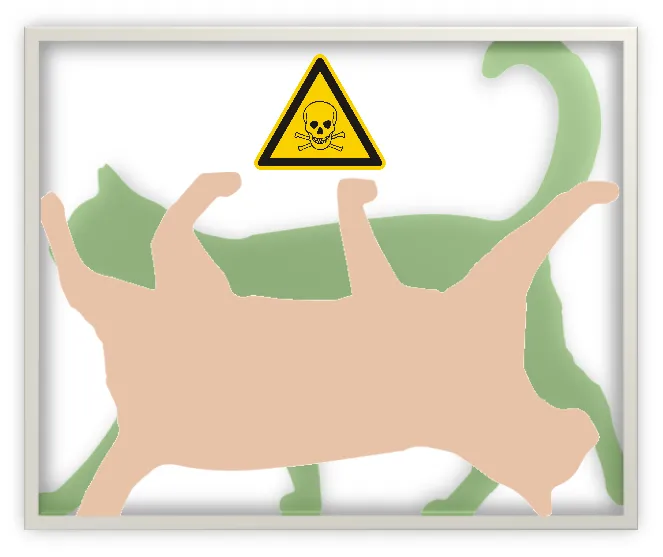
Well, it’s the same logic for qubits: we can’t know whether it equals 0 or 1, we aren’t allowed to look, so we rely on probabilities to determine its value.
That’s also why we say that a qubit is 0 and 1 at the same time.
The value of the qubit is represented on what is called a Bloch sphere, to keep it simple, it tells us whether it’s closer to 0 or closer to 1…
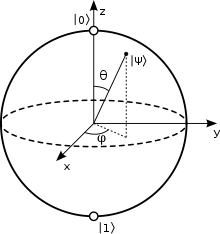
This image comes from Wikipedia
Earlier, I told you that we can’t know the value of a qubit, but that’s not entirely true, let me explain.
In the Schrödinger’s cat experiment, if we open the box, we can find out whether the cat is dead or alive.
The same goes for the qubit. The problem is that once we look at the value of a qubit, there’s no mystery: it’s either 1 or 0, not both, and it stops changing constantly.
But it’s precisely the fact that a qubit can be 0 and 1 at the same time that will allow the quantum computer to perform very large calculations.
The ability of a qubit to be both 1 and 0 at once is called superposition.
What difference does that make, you might ask.
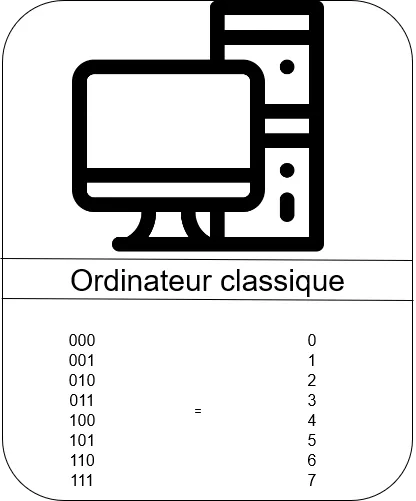
A classical computer calculates one value at a time, whereas a quantum computer calculates everything at once. That’s why it’s said to be much more powerful, but this is only true for certain calculations.
You should know that this superposition state isn’t infinite, it only lasts a short time. Finding exact figures to express this time is complicated, but we can consider that it lasts less than a second these days.
This time is called the quantum coherence time and it’s very important because, as a reminder, if the qubits are no longer in a superposed state, there are no calculations.
Also note that, to improve the reliability of calculations, there are error-correcting codes, which therefore eat into this coherence time a little.
It’s to improve the coherence time that the quantum computer must be kept in a very low-temperature environment. It’s also placed under ultra-high vacuum to prevent the planet’s electromagnetic waves from disturbing it…
The power of the quantum computer depends on its number of qubits, with each added qubit its power doubles, so it’s exponential.
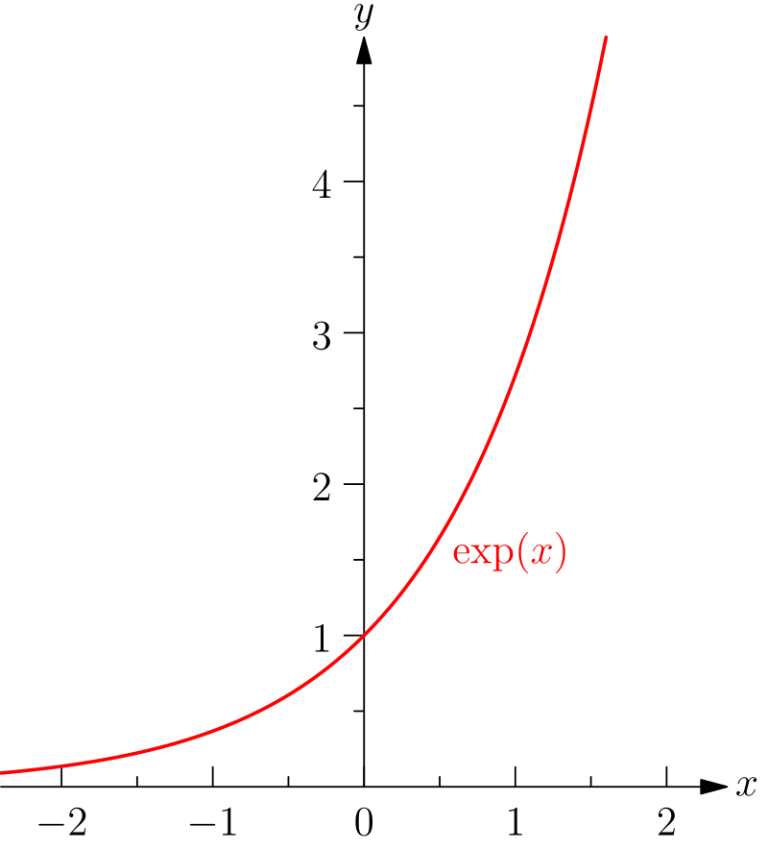
This image comes from Wikipedia
Yes, for that you need a qubit, but not just any qubit… a logical qubit.
As a reminder, calculations rely on probabilities, so to get a qubit that makes almost no errors, a 99.99% success rate for example, we group together several so-called physical qubits.
Don’t understand? To keep it simple, look at this image as an illustration…
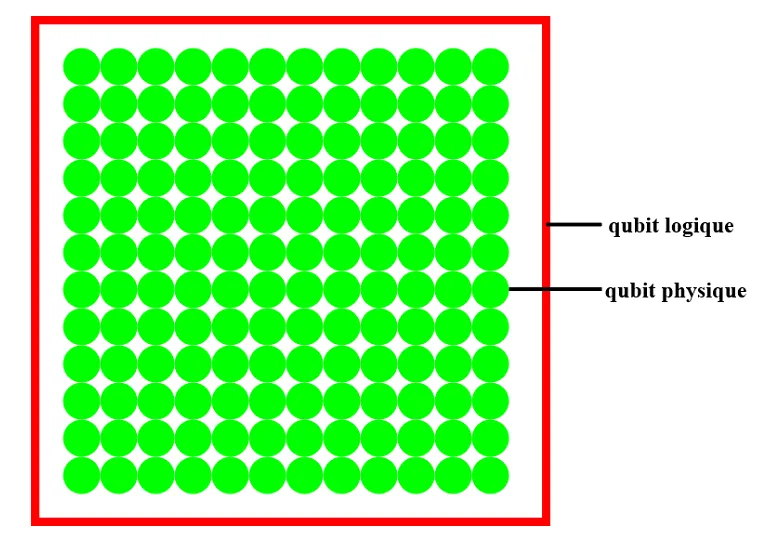
Now, imagine that to make this logical qubit, all these physical qubits are linked together.
Yes, they are linked by a principle called quantum entanglement.
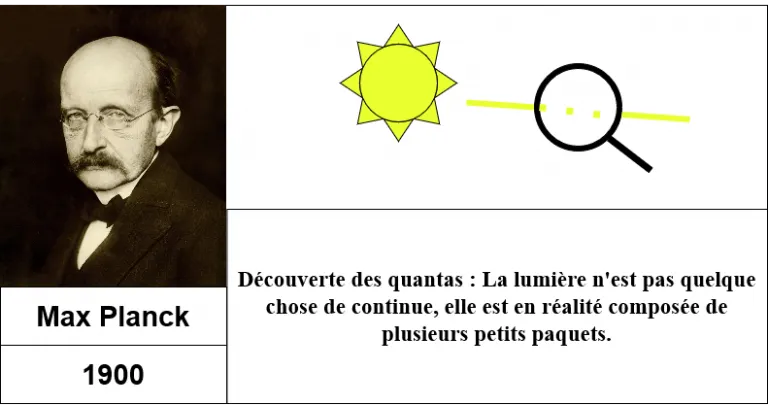
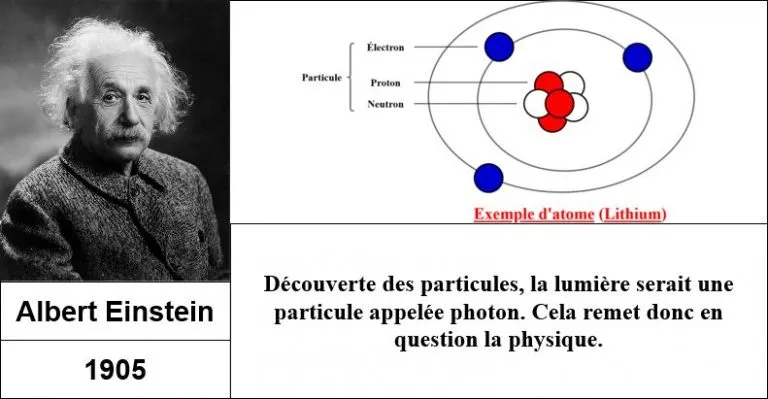
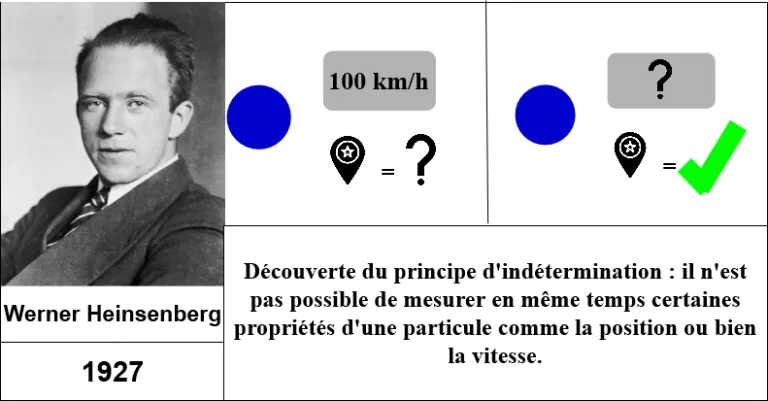
It seems unrealistic, but particles can indeed be linked to each other, even over great distances, you’ll understand better if you look at the history of quantum computing section at the end of this popularization.
Anyway, OK, the computer performs calculations with 0s and 1s, but what does it actually do with them?
They go through what are called quantum gates, the principle is similar to classical computers.
Without going into too much detail, there are different gates, including this one:
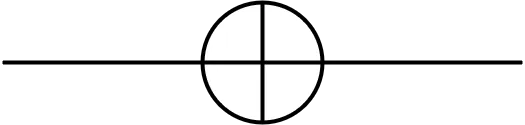
This is the representation of the Pauli gate, it inverts the value, meaning that if the value 1 goes through this gate, it will become 0 and vice versa.
We can also call this quantum gate the NOT gate.
Each gate has its own specificity and that’s what makes calculations possible.
What fields of application?
The quantum computer will obviously not be used to watch YouTube videos… It won’t even be capable of it. Indeed, it won’t be able to run just any calculation, so it will never replace the computers we know today but will complement them by making it possible to solve complex calculations that were infeasible until now, or by speeding up certain calculations.
Given its use, it will mainly be made for certain companies that have a need for it and not for the general public. However, it will mostly be used through the cloud, which already exists today and we can try a quantum computer for free on some websites.
The benefits?
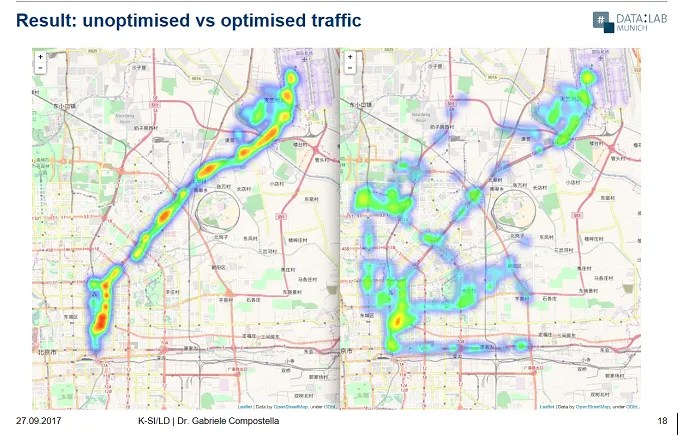
The quantum computer may be able to make traffic simpler by avoiding traffic jams when vehicles are on the road. Indeed, a test has already been carried out in Beijing on 400 taxis and bore fruit, but keep in mind that it’s not for right now, the computing power isn’t strong enough to do the same operation on several million vehicles…
It could also be very useful for the economy or healthcare, as it could be used to simulate the interactions between atoms in molecules.
What for? Well, it would help us better understand how certain molecules work and would therefore be used, for example, to design more efficient batteries or to find vaccines…
Quantum computers seem to be an asset in some cases in terms of energy consumption. Indeed, these days, to perform big calculations, companies use what are called supercomputers.
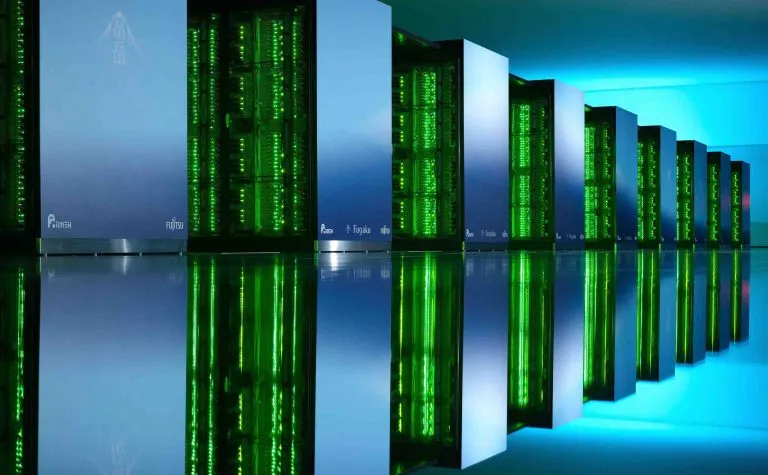
This is the most powerful supercomputer in the world, the Fugaku supercomputer. Its record is 514 million billion operations per second, and it consumed 30 MW.
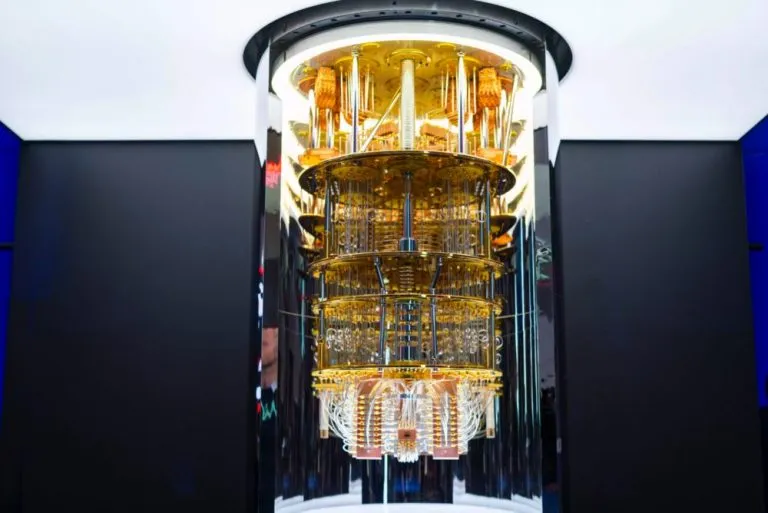
This is one of the quantum computers that exist in the world.
Currently, a quantum computer consumes around 25 kW but is still less powerful than a classical computer.
As for Pôle Emploi, the quantum computer could be used to improve artificial intelligence by speeding up its learning capacity (neural networks). Algorithms for this purpose already exist, it’s called QML (Quantum Machine Learning).
A more concrete approach to its usefulness at Pôle Emploi could be to calculate the skill level of job seekers in each region in order to offer jobs in a more targeted and therefore more productive way.
The obstacles?
The logic used in classical computing and in quantum computing isn’t the same, so you have to learn to code in quantum. There are already programming languages for quantum computing, including AQASM, derived from Python in 2017 by Atos.
Since the quantum computer is still under development, it’s expensive. Some of its components, including cryogenics and cabling, can cost up to $1M each.
Moreover, as it’s sold on a small scale, its price is high (today, only one company in the world sells one, D-Wave for $15M).
Its price is expected to fall over time.
I said above that the quantum computer protects us from the quantum computer… but that’s not entirely true, there is a certain flaw.
Some people keep today’s encrypted data in the hope of being able to decrypt it in the future, so even though the quantum computer doesn’t exist yet, it’s necessary to protect against it as early as possible, especially for large companies.
Remember, just before, I told you about the quantum coherence time.
Each physical qubit we add to improve the efficiency of the logical qubit creates a little more heat and therefore lowers the coherence time…
Even worse, superposition is only possible with what is infinitely small, which means that the more physical qubits we add, the more it will fade, since more matter implies a larger size.
None of this is easy, and it’s actually one of today’s problems.
“Maybe”, “could”, “seems”.
Indeed, the quantum computer is not something certain, as the diagram below shows, opinions on whether it will materialize differ…
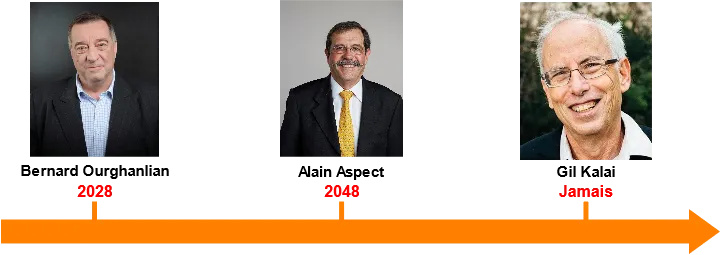
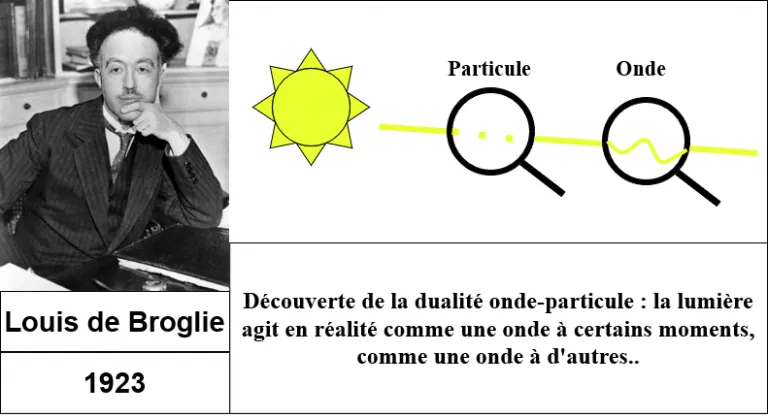
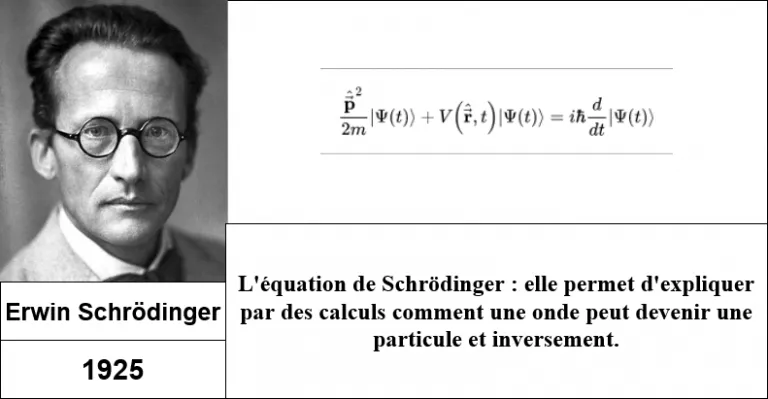
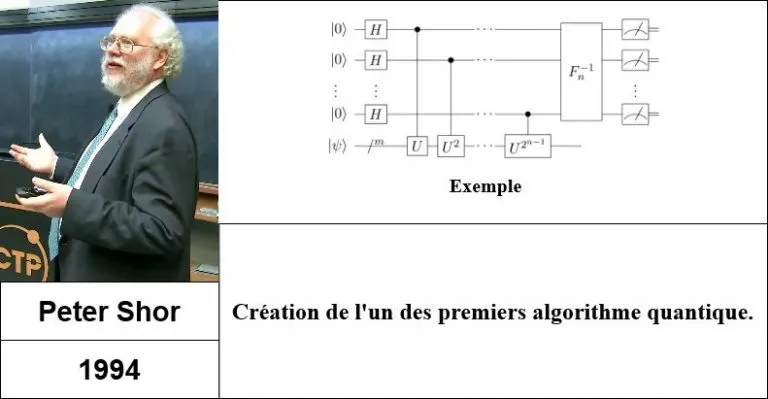
The history of quantum computing
Some of the sources used
Olivier Ezratty’s website, a reference in the field:
https://www.oezratty.net/wordpress/2020/comprendre-informatique-quantique-edition-2020
YouTube videos with Olivier Ezratty:
https://www.youtube.com/watch?v=jodfhQOvwww
https://www.youtube.com/watch?v=O7ogvD9s\_UA
Other videos:
https://www.youtube.com/watch?v=2aCS5mEeiwg
https://www.youtube.com/watch?v=bayTbt\_8aNc
Quantum communication:
https://www.youtube.com/watch?v=kJFfleuDHrU
Quantum entanglement:
https://www.youtube.com/watch?v=5R6k2mEacZo